The Benefits of Solar Batteries
June 30, 2026 · 4 min read

If you've already gone solar, or you're weighing whether to, you've probably run into the question: do you actually need a battery? For a lot of homeowners, the honest answer is no — a solar array alone can cut your bill substantially. But a battery changes what your solar system can do for you, and for a growing number of homeowners, that difference is worth the added cost.
Here's what a home battery actually adds, and how to tell if it makes sense for your situation.
Backup power when the grid goes down
The most tangible benefit of a battery is the one you only notice when you need it: keeping the lights on during an outage. A grid-tied solar system without a battery typically shuts off during a blackout — that's a safety requirement, so your panels don't feed electricity back into lines utility crews may be working on. Add a battery, and your system can automatically island itself from the grid and keep your essential circuits running: refrigerator, medical equipment, WiFi, a few outlets.
Most home batteries hold 10–20 kWh of usable capacity, with 80–90% of that actually available for use (batteries reserve a small buffer to protect long-term battery health). That's typically enough to cover a home's critical loads for a day or more, depending on how much of the system you configure for backup — whole-home or just critical circuits.
Getting more use out of the solar you already generate
Solar panels only generate power while the sun is up, but most households use more electricity in the evening — dinner, lights, laundry, the hours after work. Without a battery, any solar you don't use in real time either gets exported to the grid or, if you don't have net metering, is essentially left on the table.
A battery closes that gap. It stores your midday surplus and discharges it in the evening, so more of the electricity you use actually comes from your own roof instead of the utility. This matters most if:
- Your utility doesn't offer full retail net metering (so exporting solar back to the grid pays you less than what you'd pay to buy it back later)
- You're on a time-of-use rate plan with a big gap between peak and off-peak pricing — a battery lets you use stored solar during expensive peak hours instead of paying peak rates
- You just want to rely on the grid less overall
If your utility does offer full retail net metering, your grid connection already works like a free, unlimited battery — you export midday surplus and draw it back later at the same rate. In that case, a battery adds resilience but less direct savings, which is worth discussing with your installer before you decide.
Pairing a battery with a new or existing solar system
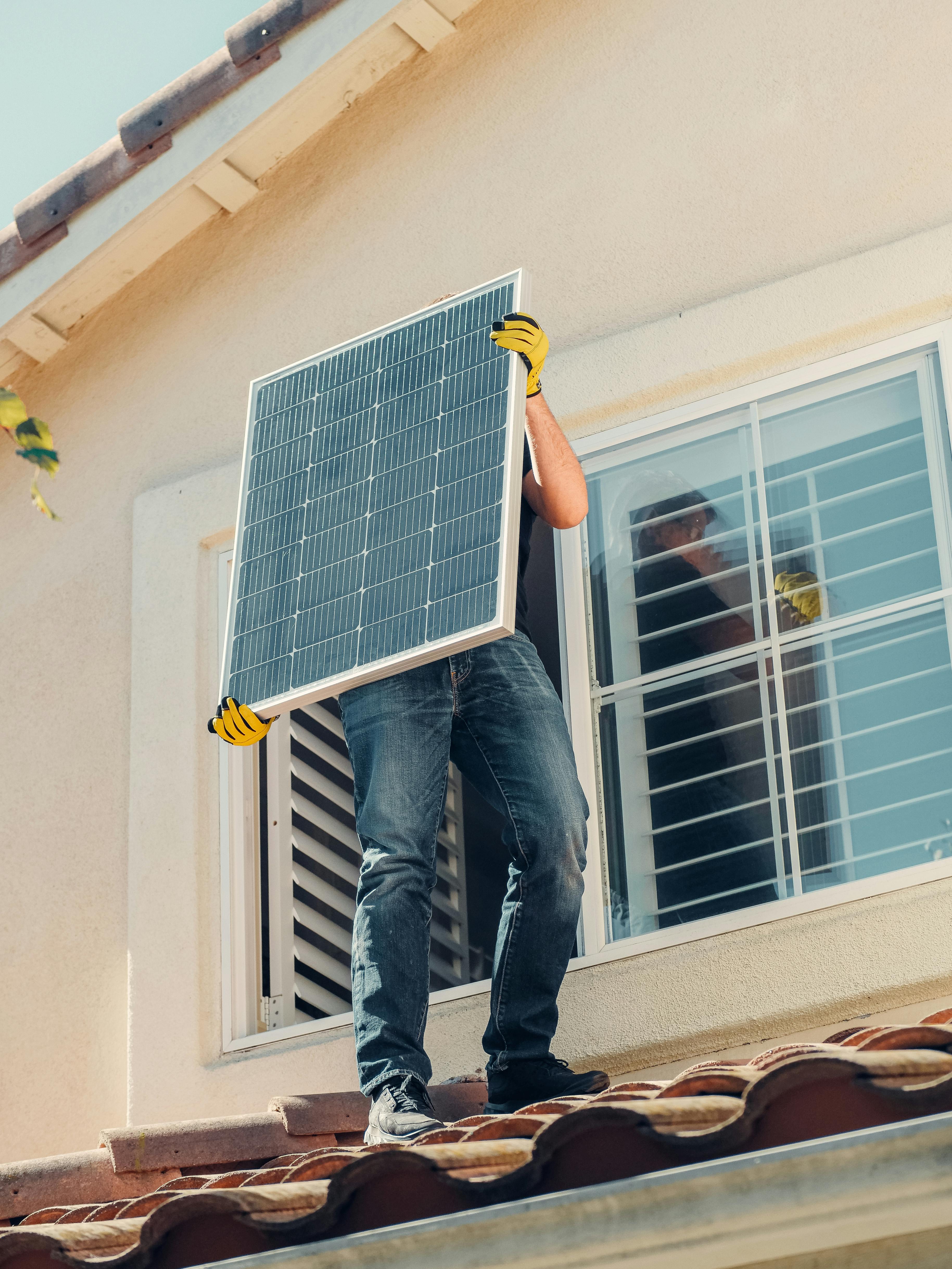
Batteries can be added at the same time as a new solar install, or retrofitted onto a system that's already in place — most modern inverters are designed to support this. If you're just getting your first solar estimate, it's worth asking your installer to quote the system both ways (with and without a battery) so you can compare the real numbers for your home rather than a generic estimate.
A few practical things to expect: most residential batteries carry a 10-year manufacturer warranty and an expected lifespan of 15–20 years — roughly matching the lifespan of the solar panels themselves. Whether federal or state incentives apply to the battery portion of a system varies by location and changes over time, so it's worth asking your installer directly rather than assuming a specific number.
Is a battery right for your home?
There's no universal answer — it depends on your utility's rate structure, how often your area loses power, and how much you value having backup for the essentials. If you're still early in exploring solar for your home, our battery storage page covers the underlying economics in more detail, or you can get a free instant estimate for your specific roof and address to see how the numbers look for your home.
Either way, a battery isn't required to make solar worthwhile — but for the right household, it's the difference between "solar that saves you money most of the time" and "solar that keeps your home running, period."