Solar Energy 101: How Home Solar Actually Works
June 20, 2026 · 3 min read
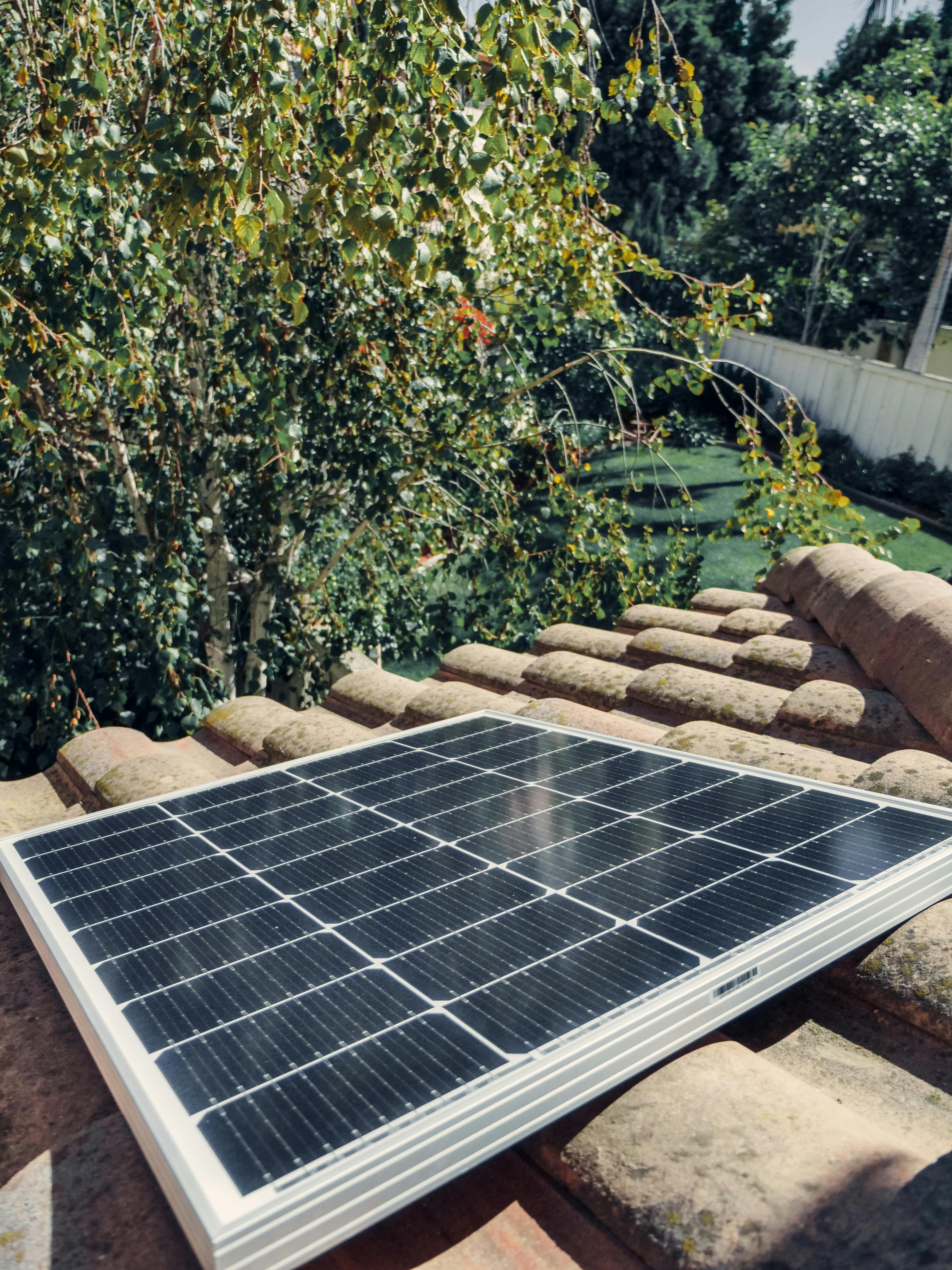
If you're just starting to research solar, the terminology alone can be a lot — panels, inverters, net metering, kW versus kWh. Here's the plain-English version of how a home solar system actually works, and what's realistic to expect.
How solar panels generate electricity
Solar panels are made of photovoltaic cells that convert sunlight directly into electricity — no moving parts, no combustion. That electricity comes out as DC (direct current), but the outlets in your home run on AC (alternating current), so every system needs an inverter to convert one to the other before it can power anything or feed back into the grid.
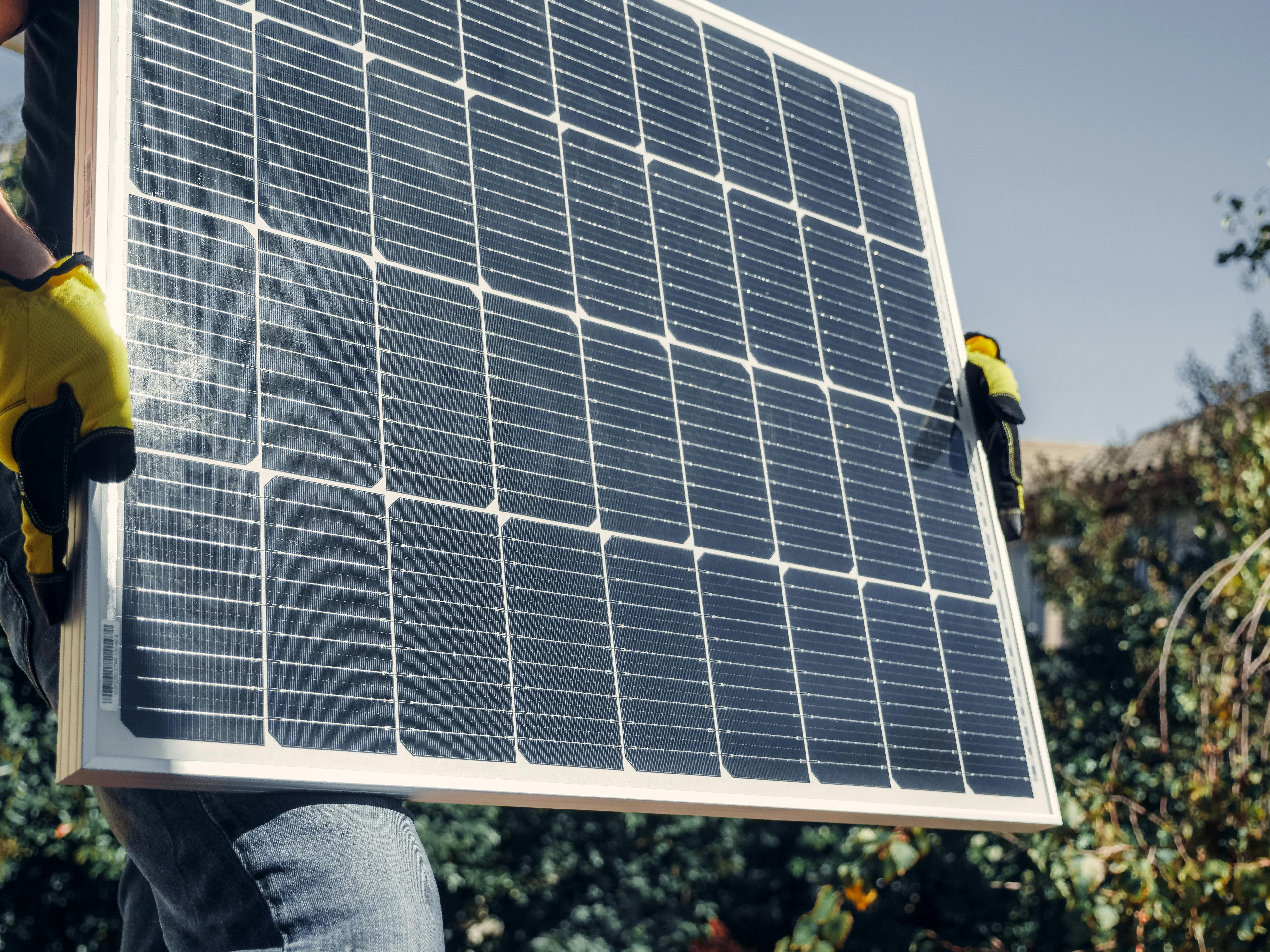
A typical residential system uses 15–25 panels, each rated around 400 watts, mounted on roof-integrated racking. An AC disconnect and a net-metering-compatible utility meter round out the required hardware, along with real-time production monitoring so you can see what your system is generating.
What net metering means for your bill
Most solar homes stay connected to the grid rather than going fully off-grid. During the day, your panels often generate more electricity than your home is using — that surplus gets exported to the grid, and depending on your utility's net metering program, you get credit for it. At night or on cloudy days, you draw power back from the grid as usual.
This is why most homeowners don't need a battery to benefit from solar (though some do — see our guide to solar batteries for when a battery makes sense). If your utility offers full retail net metering, your grid connection effectively works like a free, unlimited backup for the electricity you don't use in real time.
What to actually expect
A few numbers that are useful to have in mind before you get quotes:
- Bill reduction: most homeowners cut their monthly electricity cost by 70–90% after going solar, though the exact number depends on your system size, roof exposure, and local utility rates.
- Home value: solar adds roughly 4% to a home's resale value on average, and in many states that added value is exempt from property tax reassessment.
- Environmental impact: a typical 8 kW residential system offsets around 8 tons of CO₂ per year — roughly equivalent to planting 200 trees annually.
- Lifespan: panels are built to keep producing for 25+ years, with most manufacturer warranties covering that same window.
Getting your first real numbers
General averages are a useful starting point, but your roof's orientation, shading, local utility rates, and available incentives all affect the real numbers for your specific home. The fastest way to see where you land is an instant estimate based on your actual address — no site visit or sales call required to get a first look.